“raw bean treatment” search results (2000)
Dense treatment method coffee raw bean treatment coffee raw bean treatment price high quality coffee raw bean treatment wholesale
4. Honey treatment Today, honey treatment is used in almost all the producing areas of Costa Rica. This method is also widely spread throughout Central America. Because the surface mucosa of coffee beans is extremely sticky and smooth and the sugar content is extremely high, it is often called honey. In the process of honey treatment, coffee will leave some or all of the honey when it is dried. After picking, grading and peeling the coffee fruit, it will be
2016-04-25 Processing method coffee raw beans price quality wholesale processing now Costa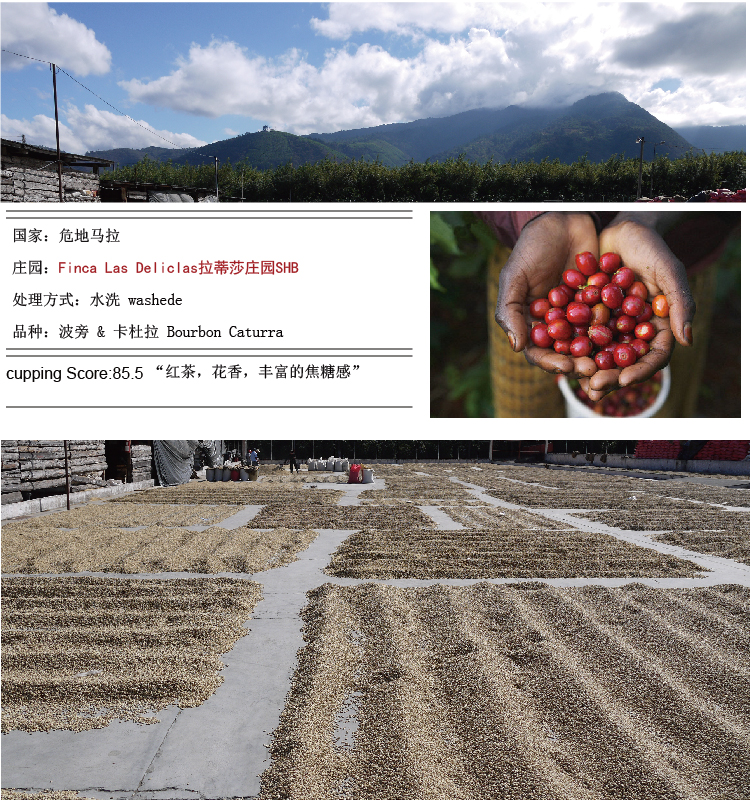
Please introduce the raw bean treatment method of coffee washing, semi-washing, sun drying and honey treatment.
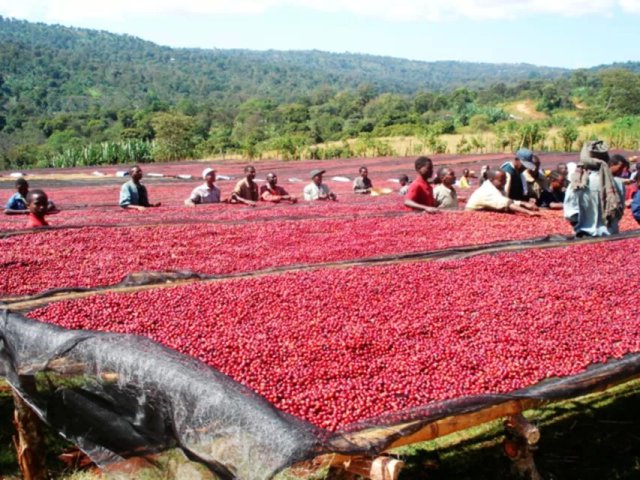
The first is dry treatment (secado), also known as natural all-day exposure (natural). After the coffee fruit is actually picked, it is dried directly in the sun. According to the weather conditions, it is generally necessary to dry the coffee beans for 2 weeks to reduce the water content of the coffee beans to 10%, 12%, and then use a machine to remove the dried peel and pulp. The raw bean processing plant (beneficio) usually keeps the outside of the coffee beans when the raw beans are stored.
2016-04-14 Introduction Coffee Water washing Solar treatment Raw beans one secado
Dry treatment (natural full sun treatment), wet treatment (water washing and fermentation), semi-washing of coffee beans
Dry treatment (secado), also known as natural all-day exposure (natural). After the coffee fruit is actually picked, it is dried directly in the sun. According to the weather conditions, it is generally necessary to dry the coffee beans for 2 weeks to reduce the water content of the coffee beans to 10%, 12%, and then use a machine to remove the dried peel and pulp. The raw bean processing plant (beneficio) usually retains the parchment paper shell (par) on the outside of the coffee bean when the raw bean is stored.
2015-11-04 Coffee beans processed Natural Solar washed fermented treated secado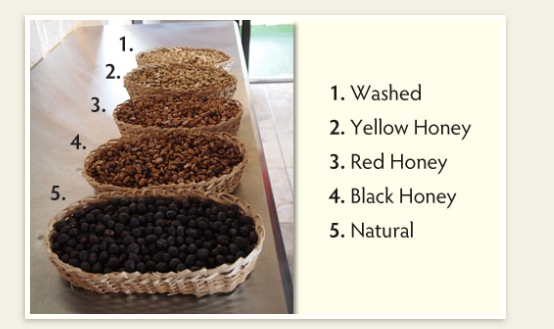
The treatment method of raw bean-- how to grade the coffee bean after honey treatment?
. The honey treatment of raw coffee beans is to remove the peel and pulp and retain some or all of the mucous membranes (honey). Today, some Costa Rican growers grade honey-treated coffee beans according to the color of the coffee. There are three levels: yellow, red and black. The change in color results from the length of light during the drying process of coffee. The light time of raw coffee beans treated with yellow honey was the best.
2016-03-22 Raw beans treatment method after coffee beans how grading coffee raw beans
Introduction to the treatment methods of raw coffee beans there are several treatment methods for raw coffee beans
Semi-washing (semi-lavado), also known as honey, miel, is actually a combination of tanning and water-washing fermentation to treat raw beans. First remove the peel and pulp of coffee, and then, according to the need, decide whether to use a pectin removal machine (desmucilaginador) to remove pectin, or how much pectin to remove, and finally dry the raw beans with shells by sun drying or machine drying or both.
2016-07-27 Coffee raw beans treatment methods introduction several kinds washing semi-l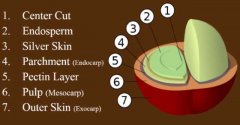
What are the processing methods of fine coffee common sense coffee raw beans?
After picking, coffee fruits need to go through a series of processes before they can become what we call coffee raw beans. This series of processes are often referred to as the handling of raw coffee beans or the rough processing of raw coffee beans in the industry. Before we talk about the classification of specific treatment methods, let's take a look at the structure of coffee fruits and raw coffee beans. Coffee fruit from outside to inside is: pericarp (exocarp)
2015-01-08 Boutique coffee common sense raw beans which processing methods picking need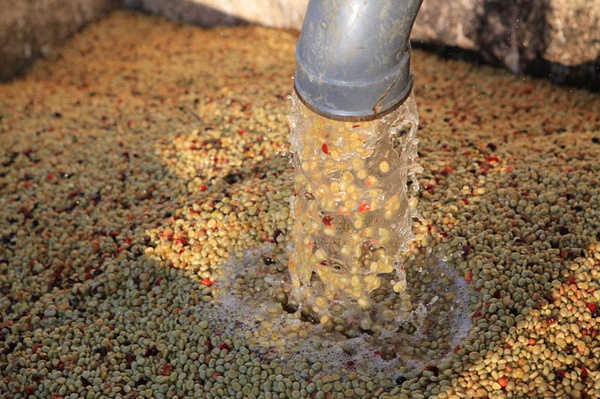
Different treatment methods of raw coffee beans are analyzed in detail.
After picking, coffee fruits need to go through a series of processes before they can become what we call coffee raw beans. This series of processes are often referred to as the handling of raw coffee beans or the rough processing of raw coffee beans in the industry. How do coffee beans get coffee there is a pair of seeds in the middle of the fruit, which are wrapped in the outer skin, pulp and endocarp. The ripe coffee fruit should stand after picking.
2015-11-20 Details analysis coffee raw beans various different treatment methods picking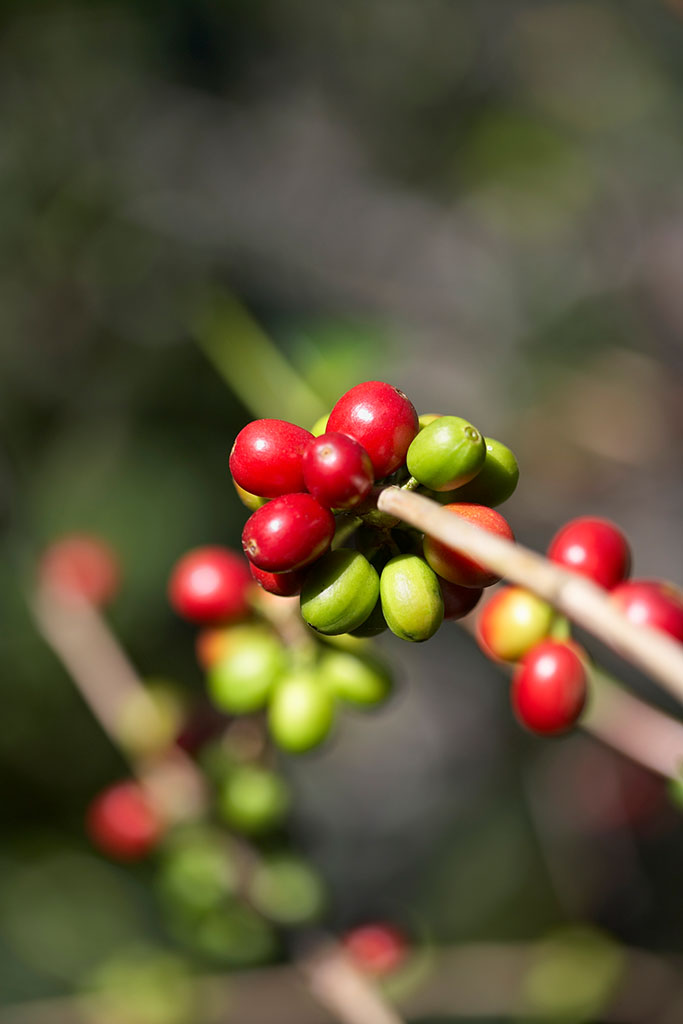
90 + Taste differentiation W2, H2, N2 treatment traditional raw bean treatment
W2, H2, N2: it can be understood as the traditional way of processing raw beans, and 90 + also regards them as the distinction of taste. Ninety Plus thought that coffee itself is a kind of fruit, so he made his own exclusive treatment according to taste (W2), (H2), and (N2). When you understand traditional coffee processing, you will find that a small amount of adjustment can blur the distinction between them. For example, in
2016-07-29 Ninety taste distinction treatment tradition raw beans way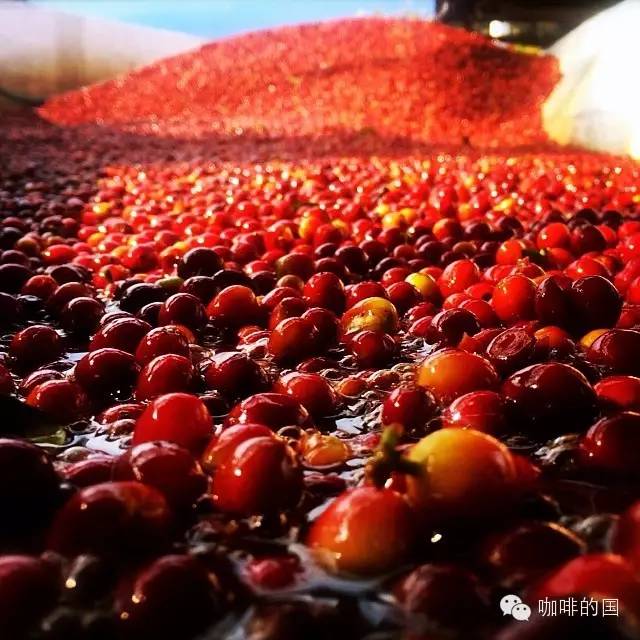
The treatment method of raw bean-- how to deal with raw bean honey
Honey treatment is used in almost all the producing areas of Costa Rica. This method is also widely spread throughout Central America. Because the surface mucosa of coffee beans is extremely sticky and smooth and the sugar content is extremely high, it is often called honey. In the process of honey treatment, coffee will leave some or all of the honey when it is dried. After the coffee fruit is picked, graded and peeled, it is dried.
2016-03-22 Raw beans treatment method how Costa Rica almost all producing areas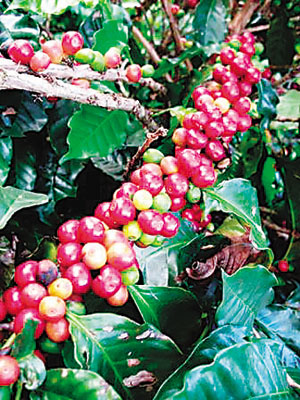
W2, H2, N2 treatment of traditional raw bean treatment
W2, H2, N2: it can be understood as the traditional way of processing raw beans, and 90 + also regards them as the distinction of taste. Ninety Plus thought that coffee itself is a kind of fruit, so he made his own exclusive treatment according to taste (W2), (H2), and (N2). When you understand traditional coffee processing, you will find that a small amount of adjustment can blur the distinction between them. For example, in
2016-07-14 Tradition raw beans treatment way ninety taste distinction can understand tradition
Raw bean treatment of coffee washed with water, semi-washed, insolated and honey
The first is dry treatment (secado), also known as natural all-day exposure (natural). After the coffee fruit is actually picked, it is dried directly in the sun. According to the weather conditions, it is generally necessary to dry the coffee beans for 2 weeks to reduce the water content of the coffee beans to 10%, 12%, and then use a machine to remove the dried peel and pulp. The raw bean processing plant (beneficio) usually retains the sheepskin on the outside of the coffee beans when the raw beans are stored.
2015-11-04 Coffee washing tanning processing raw beans a kind of treatment secado also known as
Introduction to the treatment of raw coffee beans-honey treatment
The so-called honey treatment (Miel Process in Spanish) is said to refer to the process of making raw beans by sun-drying with mucous membranes. After the outer pulp of the coffee bean is removed, there will be a layer of sticky jelly. The traditional method of washing is to wash it off with clean water, but because of the limitation of water resources in some high-altitude areas, there is this way of direct drying. Honey treatment process
2014-07-22 Honey treatment coffee bean treatment coffee raw bean
Introduction to the treatment of raw coffee beans introduction of honey treatment introduction to the treatment process of coffee production
Honey treatment as an advanced coffee processing method, there is no lack of practitioners in Yunnan. But not everywhere is suitable for the production of honey beans, coffee producing areas are mostly wet and rainy, this process is very easy to make coffee beans fermented mildew, mildew taste. Because in some places, while using honey treatment, it is easy to use microorganisms and natural nutrients to cultivate honey.
2016-07-11 Coffee raw beans treatment introduction production process as a advanced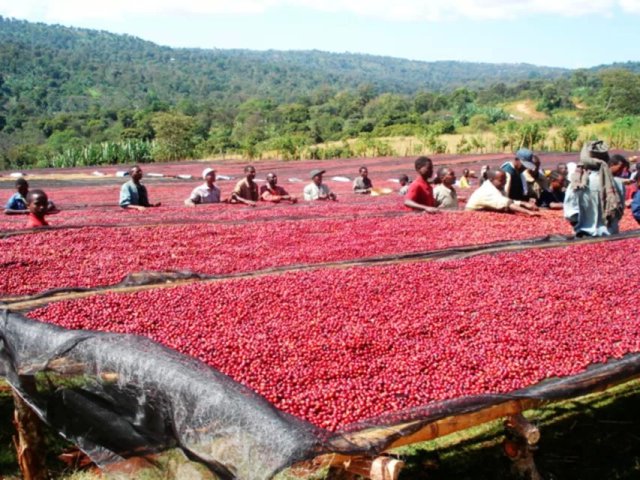
Treatment and cleaning of native coffee raw beans and roasted beans (sun, honey treatment) coffee beans
Tanning is a traditional method for the initial processing of coffee beans, and at present, almost all coffee-growing countries such as Ethiopia and Yemen still use solarization to treat raw beans. Sun treatment will first identify sunken beans in the sink, that is, ripe or half-ripe beans are spread in the drying farm for natural drying. The specific time depends on the local climatic conditions, which usually takes two to four weeks.
2016-04-25 Native coffee raw beans roasting solarization processing coffee beans cleaning tradition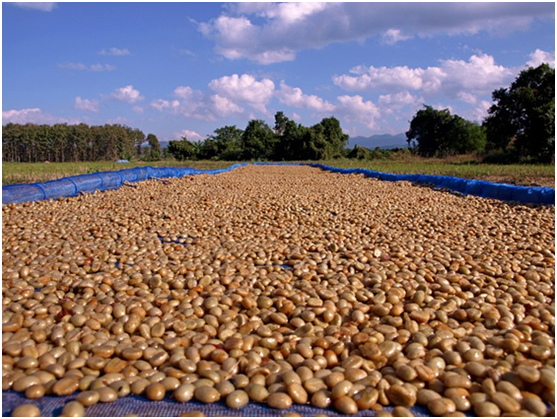
Coffee Xiaobai classroom, coffee raw bean treatment, grading of honey treatment
Coffee has become the darling of the beverage industry because of its strong flavor, round taste and mellow taste. People's busy work is inseparable from the refreshing effect of coffee, and people's leisurely life is inseparable from the pleasant embellishment of coffee. The love of coffee drives people to study coffee constantly. In order to show the flavor of coffee more incisively and vividly, the more kinds of coffee are produced after processing.
2015-09-08 Coffee rookie class raw beans processing grading coffee with its strong flavor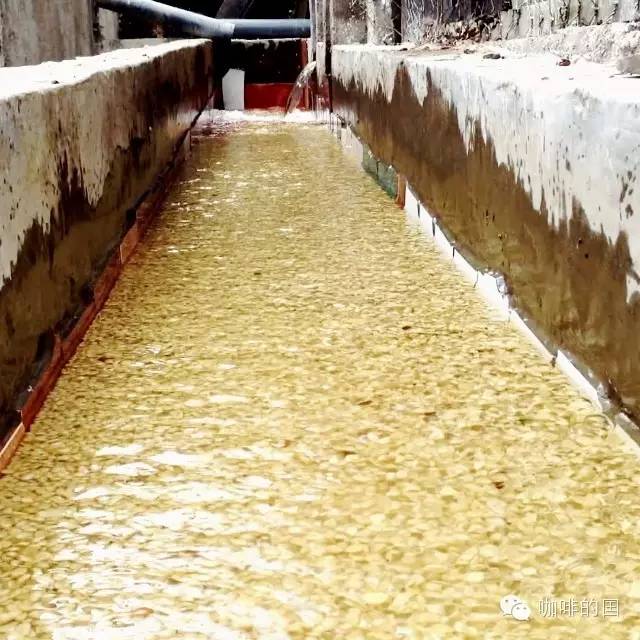
Treatment method of coffee washing raw bean-- water washing method of coffee raw bean
Water washing method for raw bean treatment because there is no sufficient sunshine in the West Indies, the Dutch introduced water washing, also known as WIB, around 1740, which is different from the traditional sun treatment, also known as OIB. Coffee beans exported from Java are often marked with WIB, which means washed beans. The treatment steps of the water washing method are as follows: 1. Select beans: put the harvested fruit in the water tank.
2016-03-23 Coffee washing raw beans treatment method washing method
Coffee bean treatment: honey treatment
Semi-washing (semi-lavado), also known as honey, miel, is actually a combination of tanning and water-washing fermentation to treat raw beans. First remove the peel and pulp of coffee, and then, according to the need, decide whether to use a pectin removal machine (desmucilaginador) to remove pectin, or how much pectin to remove, and finally dry the raw beans with shells by sun drying or machine drying or both.
2016-05-23 Coffee beans processing way washing semi-lavado some people called honey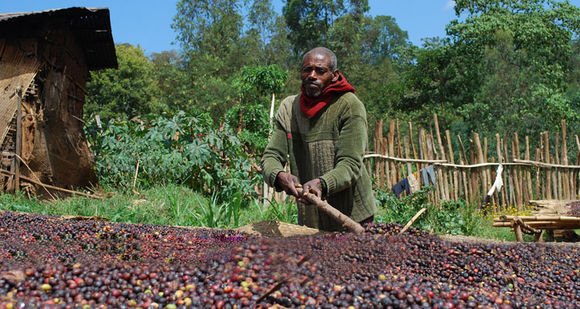
The first processing method of fine coffee sun water honey treatment coffee raw bean treatment what is sun water washing
Tanning is a traditional method for the initial processing of coffee beans, and at present, almost all coffee-growing countries such as Ethiopia and Yemen still use solarization to treat raw beans. Sun treatment will first identify sunken beans in the sink, that is, ripe or half-ripe beans are spread in the drying farm for natural drying. The specific time depends on the local climatic conditions, which usually takes two to four weeks.
2016-04-25 Boutique coffee primary processing method solarization washing treatment raw beans what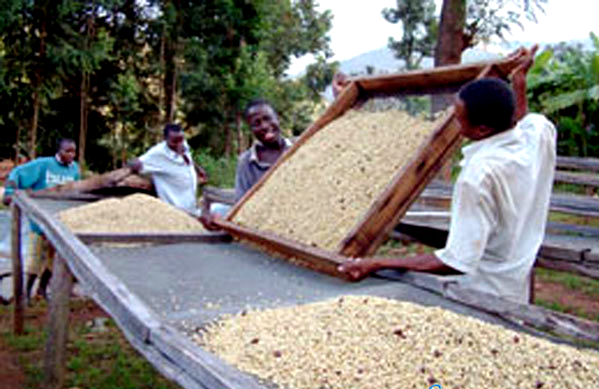
Introduction to the treatment of raw coffee beans: classification and introduction of various refining methods of coffee beans
Generally speaking, there are three kinds of treatment from coffee fruit to raw coffee bean: drying treatment, washing treatment, semi-dry and semi-wet treatment. What is the difference between the three steps? Which is better or worse? (drying in the sun field) drying treatment is the most primitive and simple treatment. 1. After the coffee fruit is actually harvested, it is sent to the sun field to spread evenly, and it is often turned so that the coffee fruit can be evenly distributed.
2015-12-18 Coffee raw beans treatment methods introduction coffee beans grown refined classified coffee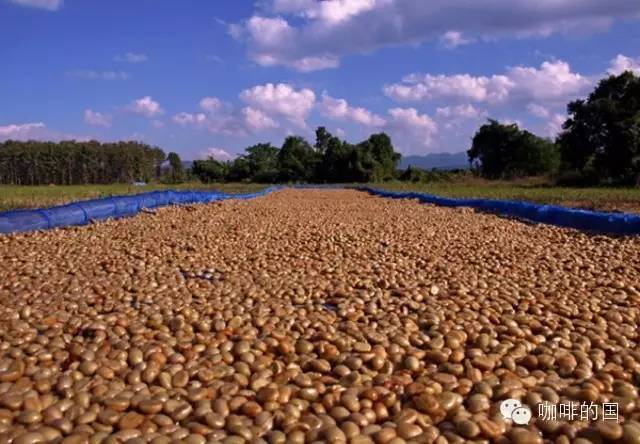
High-quality coffee bean treatment method coffee raw bean Ethiopia Yega Xuefei coffee raw bean (in the sun
Tanning is a traditional method for the initial processing of coffee beans, and at present, almost all coffee-growing countries such as Ethiopia and Yemen still use solarization to treat raw beans. Sun treatment will first identify sunken beans in the sink, that is, ripe or half-ripe beans are spread in the drying farm for natural drying. The specific time depends on the local climatic conditions, which usually takes two to four weeks.
2016-04-25 Boutique coffee beans processing methods coffee raw beans Ethiopia Yega Sheffield